7 Best Shoes for Zone 2 Running in 2026
Find the best shoes for zone 2 running in 2026. Compare 7 top picks by cushioning, weight, drop, and price to keep easy miles comfortable and injury-free.
7 Best Shoes for Zone 2 Running in 2026

Zone 2 running sits at 60–70% of your maximum heart rate — a conversational, aerobic effort where you can speak in full sentences without gasping. According to TrainingPeaks, this steady low-to-moderate intensity zone builds mitochondrial capacity, improves fat metabolism, and accelerates recovery between harder sessions. Most training plans call for zone 2 to make up 70–80% of total weekly mileage, which means you'll spend far more time in these shoes than in any race flat.
What that demands from a shoe is different from what a tempo or race day shoe needs. You want generous cushioning to protect legs over long, slow miles, a smooth heel-to-toe transition that doesn't fight your naturally slower turnover, and enough durability to absorb hundreds of base-building miles. Energy return matters, but not as much as comfort and protection.
The seven picks below cover the full range — from budget-friendly workhorses to premium max-cushion super trainers — all evaluated specifically for how well they perform at easy aerobic paces.
Quick comparison: zone 2 shoe specs at a glance
Shoe
Stack height (heel/fore)
Drop
Weight (men's)
Price
ASICS Novablast 5
41 mm / 33 mm
8 mm
8.8 oz
$140
New Balance 1080 v15
40 mm / 34 mm
6 mm
9.2 oz
$170
Hoka Clifton 10
42 mm / 34 mm
8 mm
9.0 oz
$155
Nike Vomero 18
46 mm / 36 mm
10 mm
10.9 oz
$150
Mizuno Neo Vista 2
45 mm / 37 mm
8 mm
9.3 oz
$200
Brooks Ghost 17
36.5 mm / 26.5 mm
10 mm
10.1 oz
$150
Saucony Ride 18
35 mm / 27 mm
8 mm
9.4 oz
$140
1. ASICS Novablast 5 — best overall for zone 2
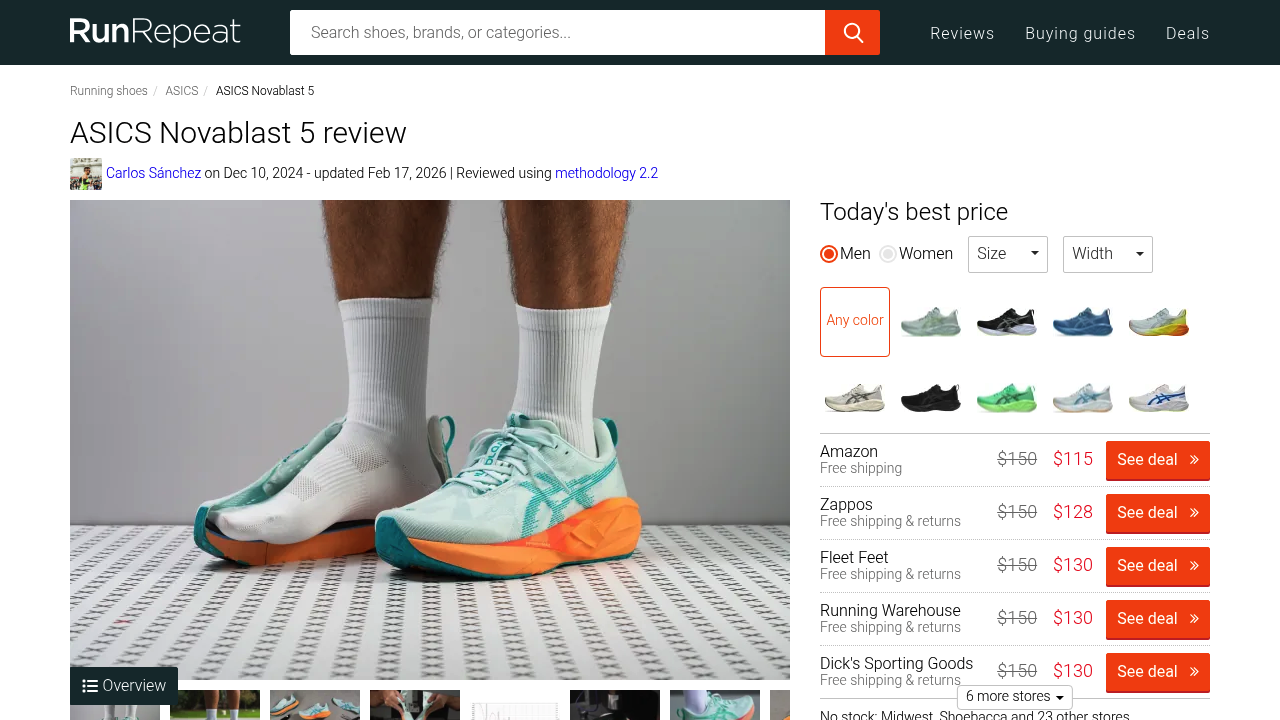
Price: $140 | Drop: 8 mm | Weight: 8.8 oz
The Novablast 5 earns the top spot because it threads the needle between plush cushioning and lively energy return better than anything else at its price point. ASICS updated the FF BLAST MAX foam for this version, making it lighter, softer, and noticeably more responsive underfoot. The 41 mm heel stack absorbs impact on long, slow efforts, while the rounded midsole geometry creates a rolling transition that works naturally at zone 2 paces.
Runners logging 500 km in this shoe on Reddit's r/RunningShoeGeeks reported it felt best specifically at steady zone 2 and tempo paces, with the foam providing bounce without any dead, spongy feeling. The engineered jacquard mesh upper fits true to size and stays breathable on extended runs.
The one real caveat: the AHA rubber outsole can feel slippery on wet pavement. Keep it off wet roads and trails.
Best for: Runners who want both cushioning and some energy return on easy days, especially those training 30–50+ miles per week.
2. New Balance Fresh Foam 1080 v15 — best for long slow distance
Price: $170 | Drop: 6 mm | Weight: 9.2 oz
New Balance made a bold call with the v15: scrapping the trusted Fresh Foam X midsole for a new supercritical foam called Infinion. The gamble paid off. RunUnited's January 2026 overview describes the 1080 v15 as specializing specifically in easy daily mileage, recovery runs, and long slow distance — the exact three scenarios that define zone 2 training.
The Infinion foam is softer than its predecessor but snaps back with more resilience, so legs feel less beaten up at the end of a 16-mile long run. The 6 mm drop and gentle rocker geometry promote smooth transitions without encouraging you to push the pace. Believe in the Run confirmed after a 16-mile LSD test run that the shoe held up throughout without hot spots or energy drop-off.
Note that the v15 fits slightly narrower than the v14, so runners with wider feet should try it before committing.
Best for: High-mileage runners, marathon trainees, and anyone who needs a shoe that reliably absorbs hour-plus easy efforts day after day.
3. Hoka Clifton 10 — best cushioned daily trainer
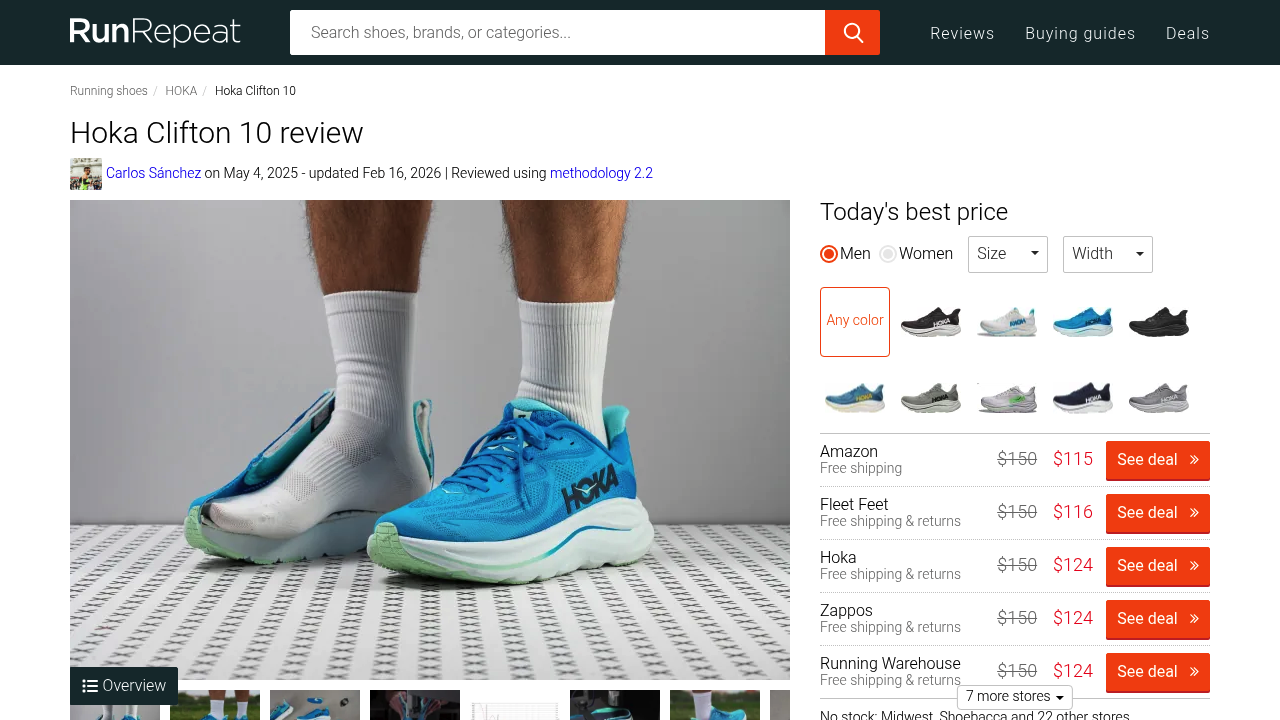
Price: $155 | Drop: 8 mm | Weight: 9.0 oz
The Clifton 10 is a meaningful step up from the Clifton 9. RunRepeat's lab testing shows the stack height jumped from 32.7 mm to 44.4 mm — a big cushioning increase that puts it firmly in max-cushion territory. Hoka also raised the drop from 5 mm to 8 mm, taking pressure off the Achilles and calves on long easy efforts, and a new double-lace lock fixes the tongue migration issue that frustrated many runners in earlier versions.
For zone 2 specifically, Hoka's Early Stage Meta-Rocker geometry is the standout feature. It rolls your foot forward naturally even when cadence slows down, which is exactly what you need when deliberately keeping heart rate in check. The compression-molded EVA midsole isn't the most exciting foam, but it delivers consistent, protective cushioning that doesn't degrade quickly. The Clifton 10 also carries the APMA Seal of Acceptance — a useful indicator for runners managing joint stress.
Best for: Runners prioritizing joint protection, those returning from injury, or anyone who wants a forgiving, reliable easy day shoe.
4. Nike Vomero 18 — best for pure underfoot comfort
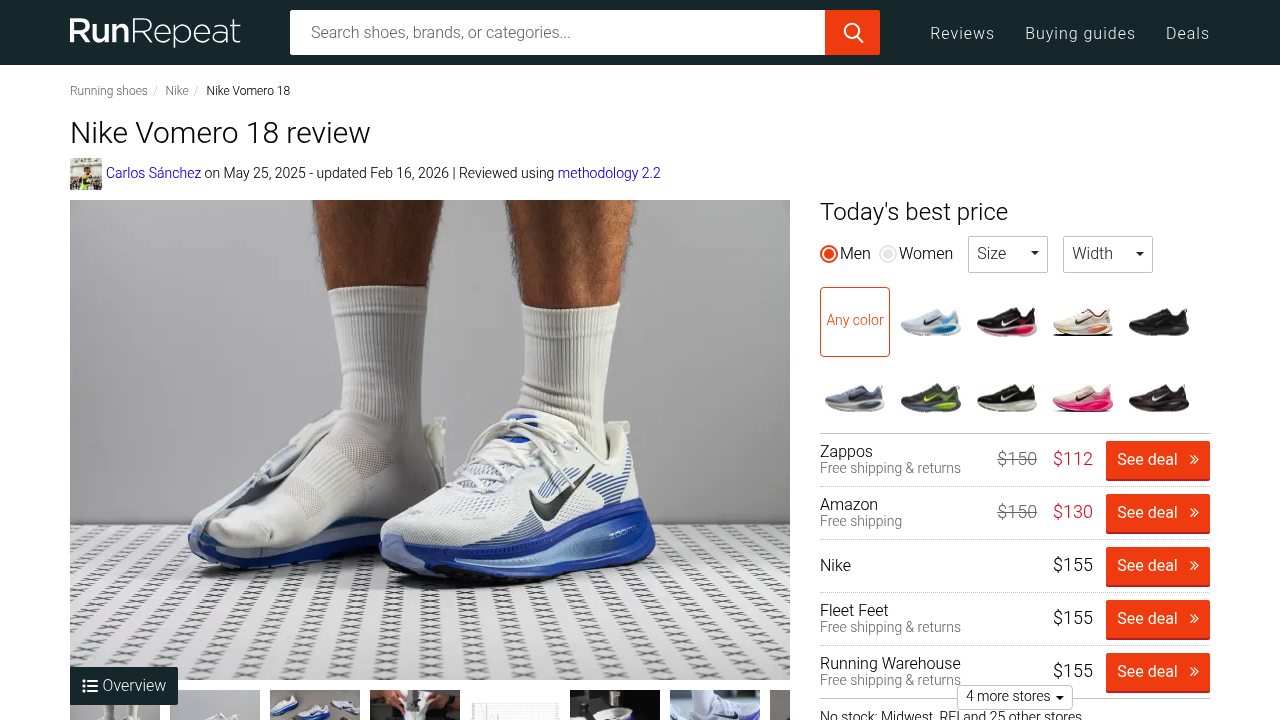
Price: $150 | Drop: 10 mm | Weight: 10.9 oz
Nike's Vomero 18 uses a dual-layer midsole — ZoomX foam on top for energetic cushioning, ReactX on the bottom for stability — delivering one of the plushest underfoot experiences in the daily trainer category. The 46 mm heel stack is the highest on this list, and runners on Reddit consistently describe it as feeling like running on clouds during long easy runs. RunToTheFinish's review after 200 miles confirmed it as purpose-built for easy days and long efforts.
The upper is thick and padded at the heel collar and tongue, which works in its favor on slow miles where you're not looking for racing efficiency. The shoe's weight (10.9 oz for men's) is a genuine trade-off — you'll notice it if you accidentally drift into tempo territory. For zone 2 and true easy running, though, the protective cushioning justifies every gram.
Best for: Mid-to-back-of-pack runners, those logging very high weekly mileage, and runners who want the maximum impact absorption available in a road shoe.
5. Mizuno Neo Vista 2 — best shock absorption
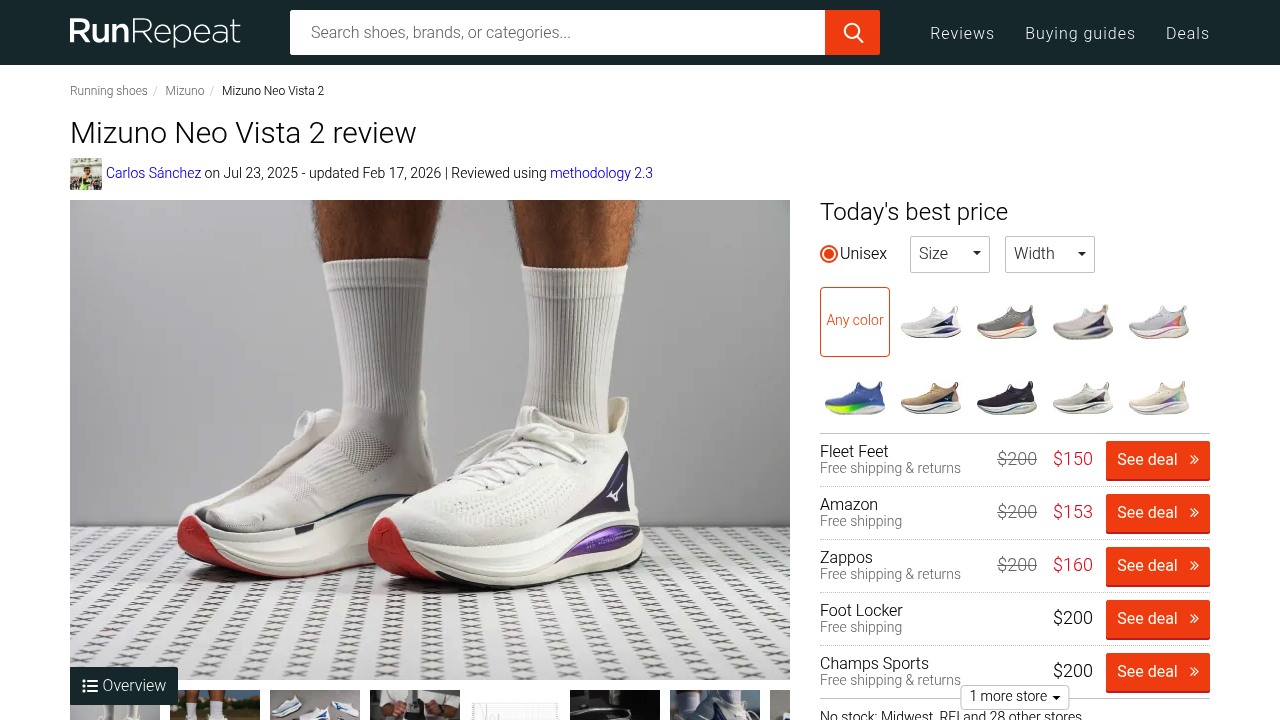
Price: $200 | Drop: 8 mm | Weight: 9.3 oz
The Neo Vista 2 is Mizuno's most accomplished daily trainer. It pairs a dual-density foam setup — a supercritical nitrogen-infused TPU (Enerzy NXT) top layer over a firmer EVA base — with a glass-fiber-infused nylon Wave plate that adds structure without the harsh rigidity of carbon. The result is a shoe that sits in an interesting middle ground: it's plush and protective like a max-cushion trainer, but the Wave plate and rocker geometry give it a smooth propulsive quality that makes long, slow miles feel almost effortless.
RunRepeat's lab data places its shock absorption as the top performer among daily trainers. The 45 mm heel stack delivers outstanding protection on long zone 2 runs, and the Running Warehouse review after multiple-distance testing confirmed impressively comfortable results across short, moderate, and longer runs.
At $200, it's the priciest shoe on this list. That cost is the only reason it doesn't rank higher — the ride quality genuinely justifies the number.
Best for: Runners who want lab-grade shock absorption, especially those training for marathons or ultra distances at easy paces.
6. Brooks Ghost 17 — best for versatility and durability
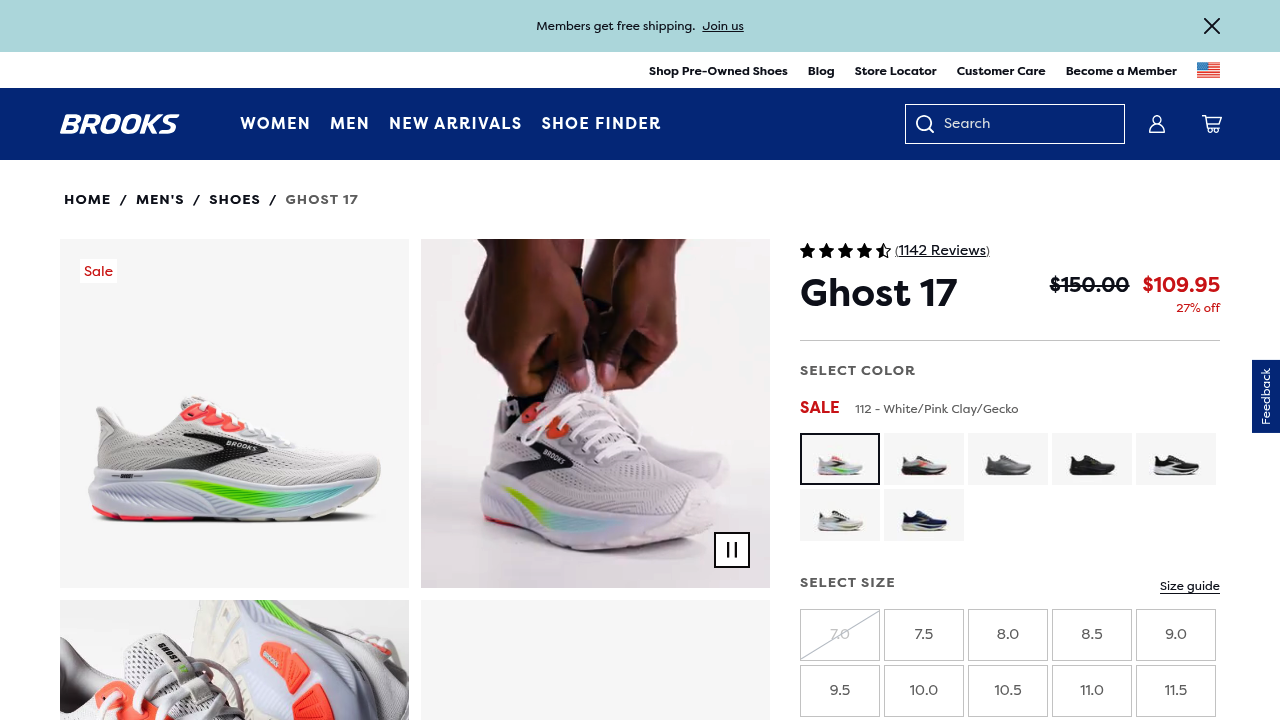
Price: $150 | Drop: 10 mm | Weight: 10.1 oz
The Ghost 17 is a reliable, no-frills daily trainer that's been a consistent recommendation for everyday runners for over a decade. This version drops the heel-to-toe offset from 12 mm to 10 mm, adds 1 mm to the heel and 3 mm to the forefoot for more cushioning, and introduces a lighter double-jacquard mesh upper. The nitrogen-infused DNA LOFT v3 foam is balanced — soft enough for easy runs, firm enough that you don't sink into the ground.
For zone 2, the Ghost 17 won't deliver the energy return of the Novablast or the extreme cushioning of the Vomero 18. What it does offer is durability, consistency, and a stable, familiar platform that new runners and experienced ones both find comfortable. Marathon Sports describes it as performing well across long runs, daily miles, and interval sessions — a true workhorse.
Best for: Runners new to zone 2 training who want one shoe that handles easy days, moderate paces, and occasional faster efforts without specializing in any single one.
7. Saucony Ride 18 — best value
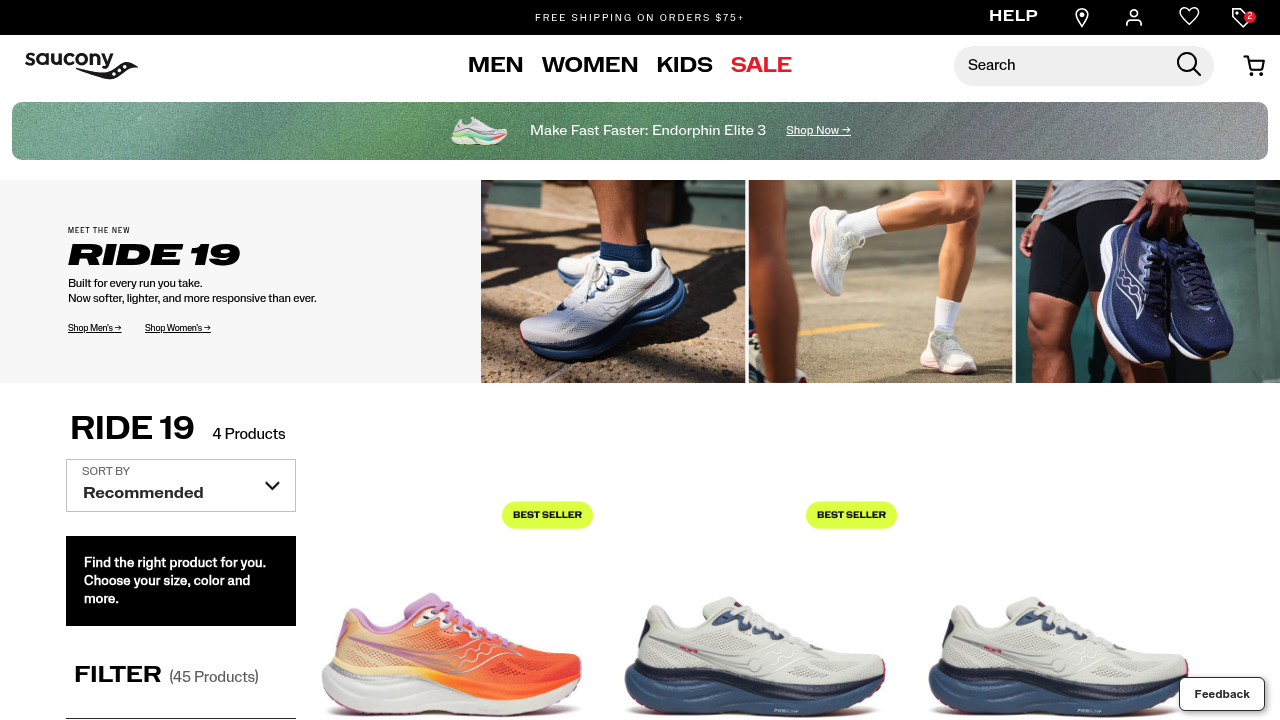
Price: $140 | Drop: 8 mm | Weight: 9.4 oz
The Ride 18 is Saucony's straightforward workhorse daily trainer, and it earns its place here on value and durability alone. The PWRRUN+ TPU-based foam midsole is lively without being flashy, the XT-900 rubber outsole is among the most durable on any shoe at this price, and Treeline Review confirmed in a September 2025 test that it can reliably last 500+ miles — a notable figure for budget-conscious runners who do a lot of zone 2 volume.
The 8 mm drop and 35 mm heel stack are moderate compared to the Clifton 10 or Vomero 18, meaning this shoe suits runners who prefer a more grounded, natural feel underfoot rather than a deeply cushioned experience. Runners building their aerobic base from scratch will find it a practical, honest shoe that doesn't demand anything of you.
Best for: Runners on a budget, beginners building zone 2 mileage, or those who want a high-durability option for high-volume easy running.
What to look for in a zone 2 shoe
A few specs matter more here than in other shoe categories:
- Stack height: Higher stacks (38 mm+) absorb more cumulative impact during long aerobic efforts. This matters more on zone 2 runs than speed sessions because you're spending more time on your feet.
- Rocker geometry: A well-designed Meta-Rocker or similar geometry guides your foot through the gait cycle smoothly even at slower paces, reducing fatigue over long runs.
- Heel-to-toe drop: 6–10 mm works well for most zone 2 runners. Lower drops shift load to the calves and Achilles; higher drops reduce that stress and suit heel strikers.
- Foam responsiveness: Supercritical foams (Infinion, Enerzy NXT, FF BLAST MAX) bounce back faster than standard EVA and help reduce leg fatigue over extended easy mileage.
- Durability: Zone 2 shoes accumulate miles quickly. A shoe that can handle 400–600 miles before the midsole degrades noticeably offers better value per run.
For a structured, side-by-side look at how these and other models compare across specs, comfort scores, and price, RunningShoesCompared provides regularly updated comparisons built specifically to help runners cut through the noise and find the right shoe for how they actually train.