Signs It's Time to Replace Your Running Shoes (and When to Act)
Learn the key signs your running shoes need replacing, the 300–500 mile rule explained, and how to check for midsole wear before injuries develop.
Signs It's Time to Replace Your Running Shoes (and When to Act)
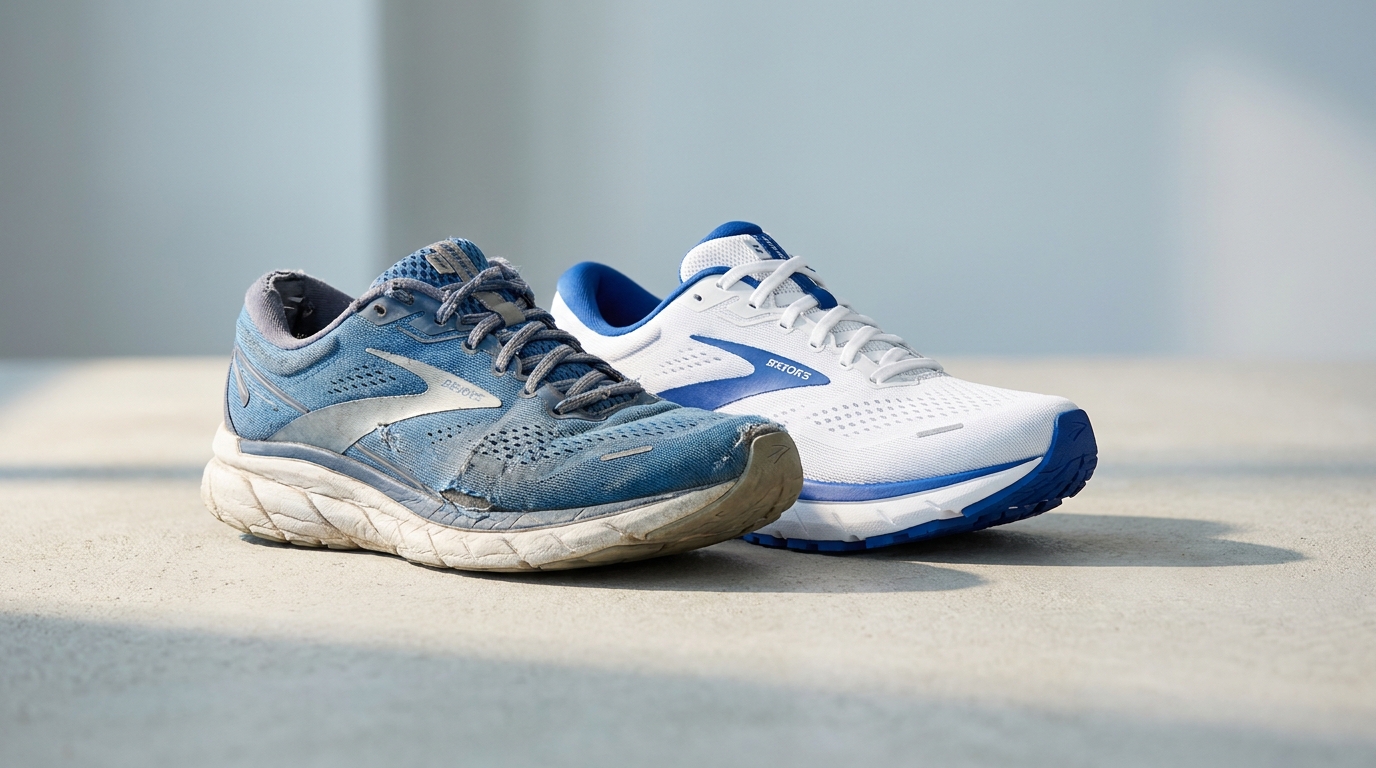
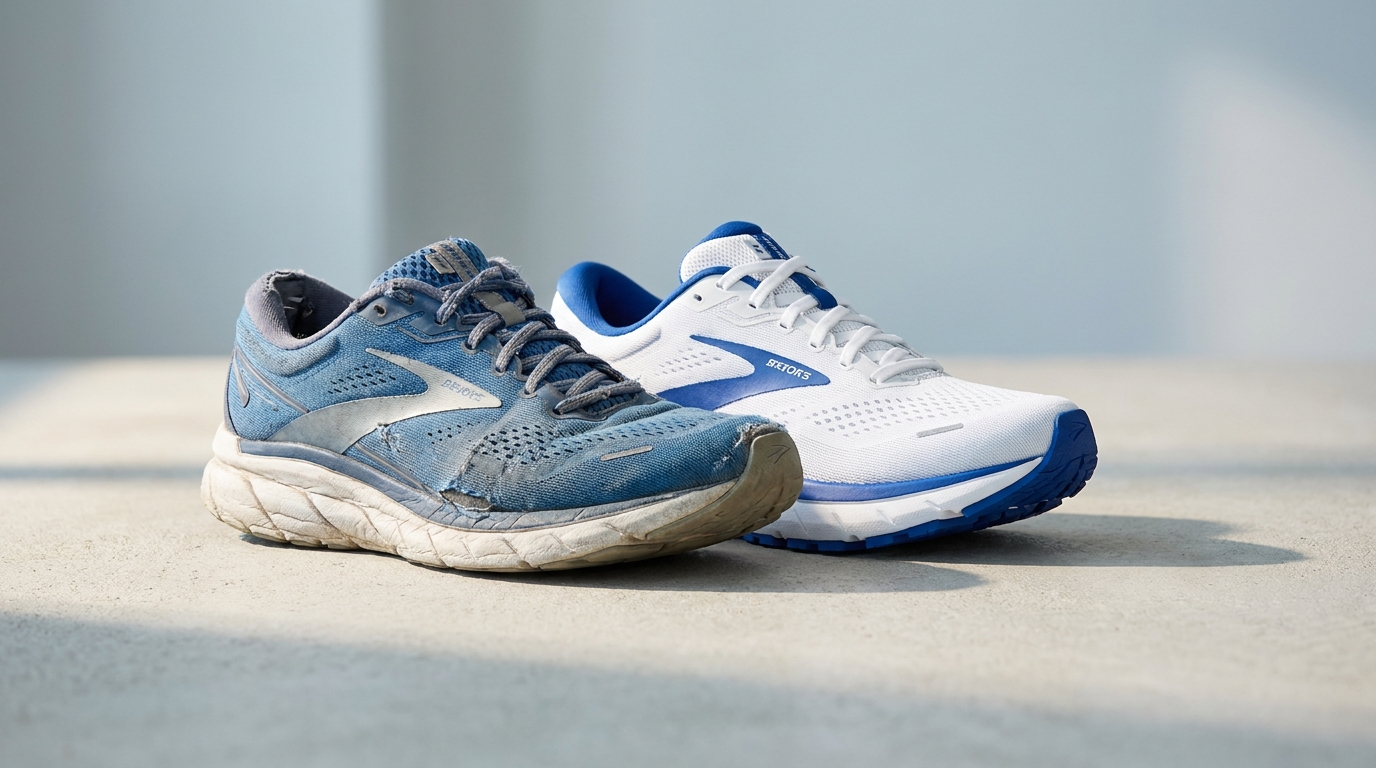
Running shoes don't announce their retirement. The outsole still looks presentable, the upper hasn't fallen apart, but the foam that absorbs every footstrike has quietly lost much of what made it useful. Knowing when to replace your running shoes before they become a problem is one of the more practical things a runner can stay on top of.
The 300–500 mile rule — and why it's a starting point, not a deadline
The most commonly cited benchmark is 300 to 500 miles (roughly 480–800 km). According to data compiled by RunRepeat, midsole foam loses up to 50% of its compression and rebound capability by the 500-mile mark, and heel shock absorption can drop by 16–33% after just 300 miles. Runner's World testing found that shoes retained about 80% of shock absorption at 150 miles, dropping to 70% at 500 miles.
But 300 miles in lightweight racing flats is very different from 300 miles in a max-cushion daily trainer. A rough breakdown by shoe type:
Shoe Type
Expected Mileage
Daily road trainers
300–500 miles
Trail running shoes
300–450 miles
Racing flats / carbon shoes
150–300 miles
Minimalist shoes
200–300 miles
Trail shoes wear differently than road shoes, too. Rocky, technical terrain chews through rubber lugs and stresses the upper, while road miles apply constant, even compression to the midsole foam. Both types still fall within the same general mileage window, but trail runners should weight the condition of their grip and structure alongside cushioning feel.
Time matters even if your mileage is low. Foam hardens and degrades with age, so shoes should generally be replaced every 1–2 years regardless of how little they've been used.
Five physical signs your shoes are past their prime
1. The midsole squeeze test failsPress your thumbs firmly into the midsole foam — not the rubber outsole underneath it, but the lighter-colored foam layer above it. Fresh foam has noticeable rebound. If it compresses easily without pushing back, or shows deep, permanent creasing, the cushioning is gone. This test often reveals problems before the outsole shows any visible wear.
2. The outsole tread is worn smoothFlip the shoe over. If the rubber has worn down to a flat, shiny surface in high-impact zones — typically the heel and the ball of the foot — you're losing traction and the midsole is being exposed to direct ground contact. On trail shoes, check whether the lugs are still sharp enough to grip loose or wet terrain.
3. The heel counter has collapsedSqueeze the back of the shoe from the sides. The heel counter (the stiff panel that wraps around your heel) should hold its shape firmly. A heel counter that collapses inward or twists easily means the shoe's structural support is gone, which affects how your foot tracks through the gait cycle.
4. The twist test shows too much flexGrip the shoe at the toe and heel and try to twist it. A road trainer or stability shoe should resist this twist with moderate firmness — the midsole and shank are designed to limit unwanted torsional movement. A shoe that wrings out like a wet towel has lost its structural integrity.
5. New aches are showing upThis one isn't about the shoe directly — it's about what the shoe is no longer doing. OrthoCarolina physical therapists note that worn-down running shoes are a common contributing factor in shin splints, knee pain, and lower back soreness. If unexplained joint or muscle aches appear without a training load change, your footwear is worth checking first.
How runner-specific factors shift the timeline
The 300–500 mile window assumes an average adult runner on typical surfaces. Several variables move that range significantly:
- Body weight: Heavier runners compress midsole foam faster. A 200 lb runner will typically exhaust cushioning closer to 300 miles; a 130 lb runner may get closer to 500.
- Running surface: Concrete and asphalt are harder on foam than treadmill belts. Treadmill-only runners often get more mileage before cushioning degrades to the same degree.
- Gait and footstrike: Heavy heel-strikers concentrate impact in one zone, causing localized foam breakdown faster than the shoe wears overall.
- Rotation: A landmark 22-week study published in the Scandinavian Journal of Medicine & Science in Sports followed 264 recreational runners and found that those who alternated between multiple shoe models had a 39% lower injury risk than those running in a single pair. Rotating two pairs also means each shoe gets more recovery time between runs, which extends the useful life of both.
How to track your mileage accurately
The most reliable method is connecting your shoes to a GPS running app. Strava and Garmin Connect both have built-in shoe trackers — you assign a shoe to your account and every logged run accumulates against it. The New York Times running coverage as of March 2026 confirmed these tools as the standard approach for recreational runners.
If you don't use GPS tracking, a basic notes app or even a sticky note on the shoe box works. Log the date you start using the shoe and an estimate of your weekly mileage. After 4–6 months of regular use, run the squeeze test and check for visible wear.
What to do with shoes that still look fine
Visual appearance is a poor indicator of foam condition. A shoe can look nearly new while providing 30–40% less cushioning than it did on day one. If you've crossed 400+ miles and the squeeze test returns soft, flat foam — replace the shoe, even if the outsole rubber still has tread.
Old running shoes don't have to go straight to landfill. Nike's Reuse-A-Shoe program and Soles4Souls accept worn athletic shoes for recycling and donation. They're also fine for casual walking or errands — just don't run in them.
Finding the right replacement
Once you've confirmed it's time for a new pair, the process of choosing one doesn't have to start from scratch. RunningShoesCompared offers side-by-side comparisons across specs, cushioning profiles, and price — built specifically for runners who want to evaluate options without sorting through inconsistent retailer reviews. If you've been happy with your current shoe's fit, comparing it directly against newer models in the same category is usually the fastest way to find a suitable replacement.